

Platform overview
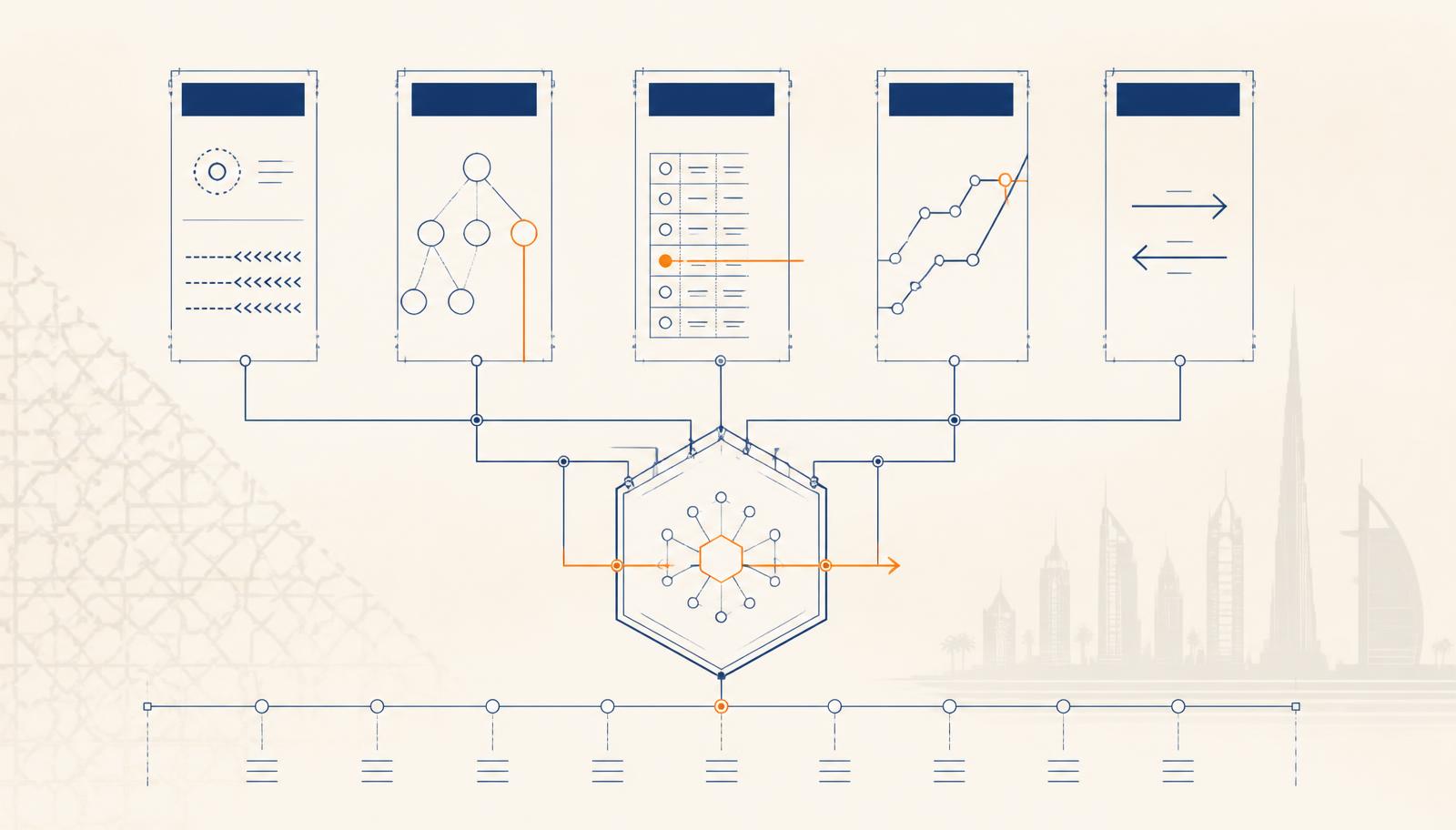
Five pillars. One decision engine.
Run KYC, KYB, AML screening, transaction monitoring, and Travel Rule standalone or as one program, sharing a single risk engine, one case queue, and one audit trail from onboarding to ongoing monitoring.
Capability pillars
Start with one, add the rest
Each pillar is a product on its own. Combined, they stop being five integrations and become one program.
KYC
Document authentication, biometric match, and liveness for individuals.
Explore KYCKYB
Registry verification, ownership graphs, and UBO discovery for entities.
Explore KYBAML
Sanctions, PEP, watchlist, and adverse-media screening with reasoning.
Explore AMLKYT
Wallet risk, exposure tracing, and fiat transaction monitoring.
Explore KYTTravel Rule
Counterparty data exchange, unhosted-wallet proof, and message records.
Explore Travel RuleThe console
One workspace for every pillar
Analysts do not switch tools between an identity check, a screening hit, and a transaction alert, it is one queue, one record, one trail.
Verifications today
128
Sample data
Pending review
9
Sample data
Screening hits
4
Sample data
Avg. decision time
41s
Sample data
Review queue
Open cases- AM11:24
Al Mira Digital Assets FZE
ClearedKYB · UBO discovery
3 owners resolved · registry match
- SK11:09
Sara K.
Manual reviewKYC · Emirates ID + liveness
Document authentic · biometric match 0.94
- TX10:52
Wallet bc1q…7f4a
EscalatedKYT · inbound transfer
Exposure to high-risk counterparty
Illustrative interface, sample data
Choosing
Which pillar do you need
Most programs start with the obligation their supervisor examines first, then extend. This is the short version of that conversation.
| Pillar | Answers the question | Runs when | Typical trigger to adopt |
|---|---|---|---|
| KYC | Is this person real, present, and who they claim to be? | At onboarding, and on re-verification | You onboard individuals and need documented identity evidence |
| KYB | What is this entity, and who ultimately owns and controls it? | At onboarding, and on structure change | You onboard companies, funds, or corporate counterparties |
| AML screening | Is this party sanctioned, a PEP, or adversely reported? | At onboarding, then continuously | Any regulated relationship, screening is rarely optional |
| KYT | Is this transaction or wallet behaving like the customer we approved? | After approval, on every flow | You move fiat or virtual assets after onboarding |
| Travel Rule | Who is the counterparty, and did their data travel with the transfer? | Before an in-scope transfer leaves | You are a VASP handling transfers at or above the AED 3,500 threshold |
| Risk engine | Which policy decided this, and under which version? | On every decision in every pillar | Your policy lives in spreadsheets or in people's heads |
| Case management | Who reviewed this, on what evidence, and who approved it? | Whenever a human touches a decision | Analysts work in inboxes and alerts are tracked manually |
Shared layers
The part vendors leave to you
Screening APIs are commodity. What breaks compliance programs is everything around them, the rules, the queue, the trail.
Risk engine
Weighted scoring, a visual rule builder, versioned publishes, and shadow testing against historical traffic.
Case management
One queue for every alert type, four-eyes review, escalation paths, SLA timers, and role-based access.
Audit trail
Append-only record of every decision, artefact, note, and configuration change, exportable for inspection.
Journeys
UAE regulator journeys preset and ready to adjust, with wider GCC journeys next. Each journey step lists the checks it runs.
API and webhooks
Every console action is an API call, with webhooks on decision, alert, and rescreening events.
One record
A customer, not a pile of vendor responses
Because every pillar writes to the same customer record, monitoring hits open with the onboarding evidence already attached.
- Identity, entity, screening, and transaction history on one timeline
- A single risk score composed from every pillar's factors
- Rescreening and re-verification without re-onboarding
- One export bundle per customer for a regulatory request
- One set of permissions, roles, and four-eyes thresholds
- One integration to build and maintain
See VerifiX on your own onboarding flow
A 30-minute walkthrough with a compliance engineer, or a request for sandbox access.